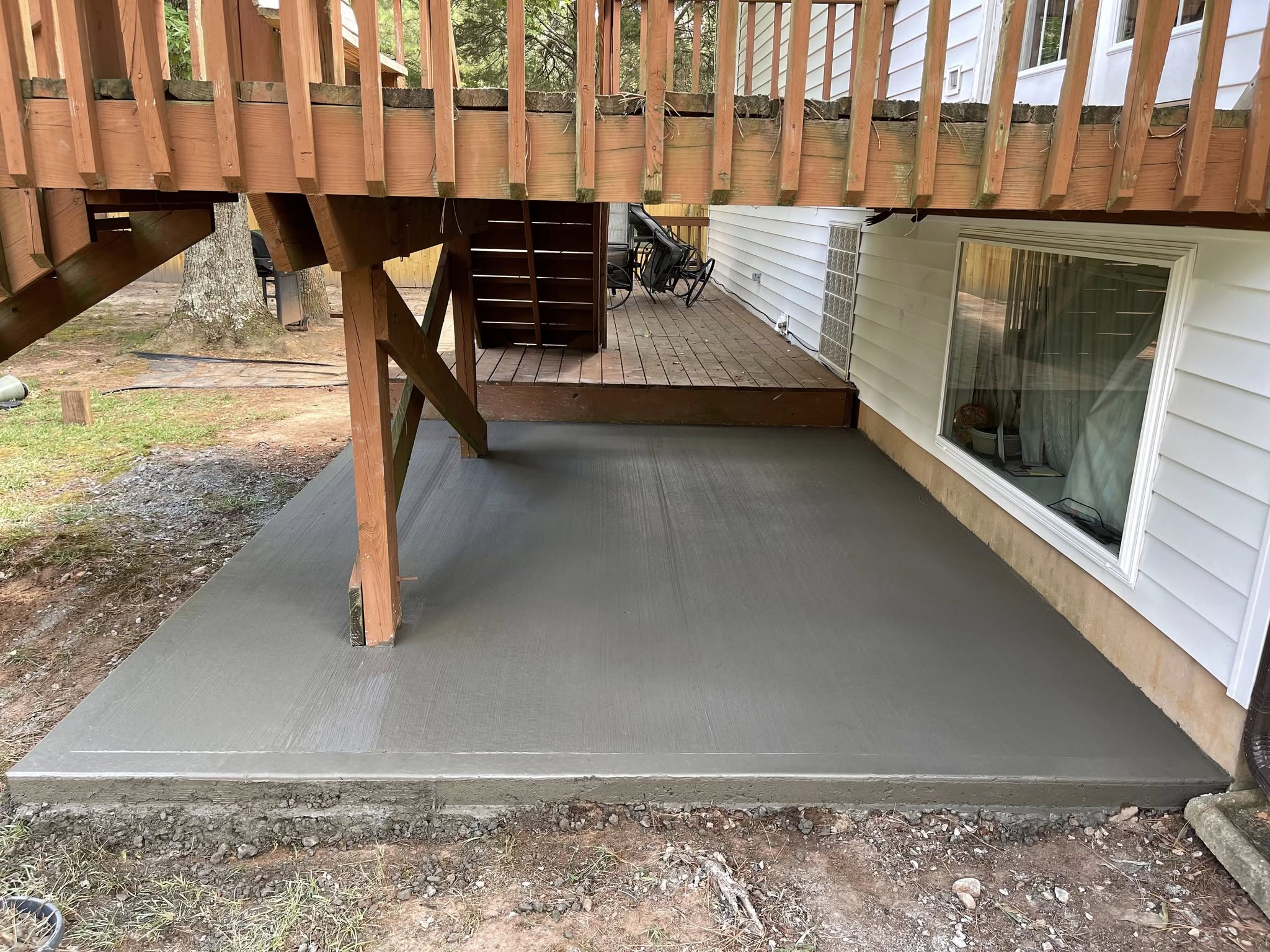
Understanding Concrete Curing: Key Steps for Long-lasting Results Jan 31, 2026
Firstly, it’s important to understand what curing means in the context of concrete. Curing is the process of maintaining adequate moisture, temperature, and time to allow the concrete to achieve its desired properties for performance. Curing ensures that the concrete’s surface strength is maximized and prevents common issues such as cracking and dusting, which can compromise the integrity of the structure.
Maintaining an optimal moisture level is essential during the curing process. This begins immediately after the concrete is placed. One effective technique is water curing, which involves keeping the surface moist for at least seven days. This can be done using sprinklers, hoses, or wet coverings such as burlap. Water curing is considered one of the best methods to achieve the maximum potential strength and durability.
In addition to moisture, maintaining the right temperature is crucial. Concrete gains strength through a chemical reaction known as hydration, which is highly temperature dependent. For effective curing, the temperature should ideally be kept between 50°F and 75°F. Extreme temperatures can hinder hydration. In hot weather, evaporation can occur too quickly, while in cold weather, freezing can halt the curing process. Employing insulation blankets can help in managing the temperature.
To ensure the success of your curing process, time is an indispensable element. While the concrete reaches initial set after a few hours, the actual curing process can take days or even weeks to complete. The standard period suggested is 28 days; however, the first week is especially critical. During this time, continuing to control moisture and temperature is most effective for long-lasting results.
Another method employed by professionals is curing compounds. These are sprayed onto the surface to form a thin film that traps moisture within the concrete. This method is especially useful in larger projects where water curing might not be feasible due to site constraints. When choosing a curing compound, ensure it is suitable for your specific project needs and compatible with any sealants or coatings that will be applied afterward.
While these methods cover the basics, every project might require a uniquely tailored approach. Choosing the right strategy depends on environmental conditions, scale, and the specific requirements of your project. Burt Concrete Solutions can provide expert consultation services to determine the best approach for your needs, ensuring optimal curing and maximum durability.
In conclusion, understanding and executing the appropriate steps for curing concrete is critical in ensuring the longevity and strength of your structure. By effectively managing moisture, temperature, and time, you can prevent common pitfalls and increase your project's success rate. At Burt Concrete Solutions, we are committed to delivering exceptional quality and guidance to our customers. Whether it's simple advice or detailed project management, our team is ready to assist in achieving the best possible outcomes for your concrete endeavors. Employ these best practices, and ensure your concrete structures are robust enough to withstand both time and usage.
/filters:no_upscale()/filters:format(webp)/media/e076fe2d-7cfe-4f35-93ff-b3122ffd1549.jpeg)